Finding yourself stranded after a collision or mechanical breakdown is not just frustrating—it’s often a daunting and uncertain situation. The challenge of accurately estimating repair costs for a non-running vehicle can add to the stress, leaving you feeling overwhelmed. However, you don’t have to navigate this journey alone.
With the right guidance and a few essential tips, you can confidently tackle the hurdles and get back on the road faster and more efficiently.
Let’s explore the best strategies to manage this tricky situation and ensure you’re prepared for whatever comes your way.
Easy-To-Spot Issues
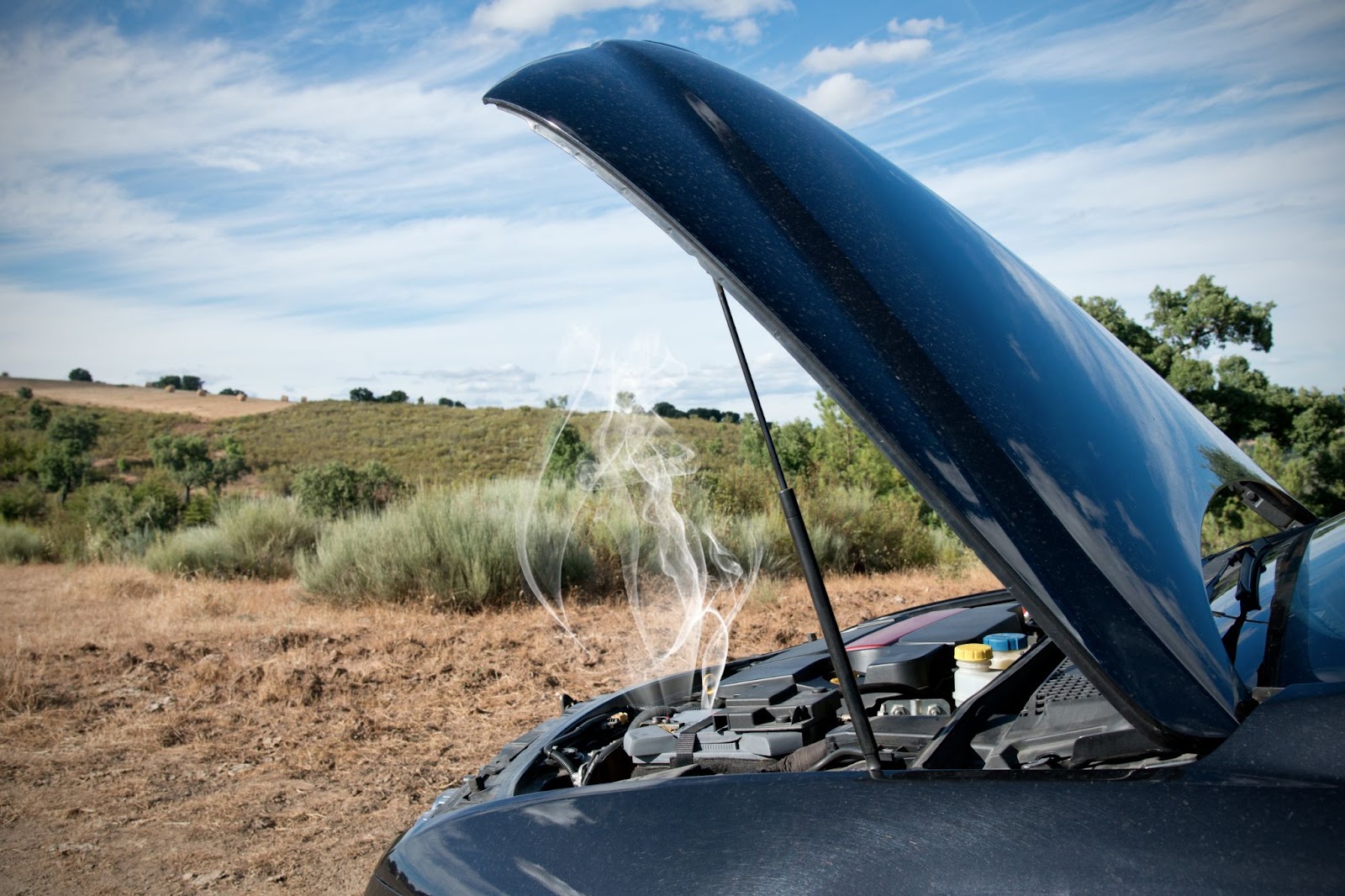
Pay attention to unusual engine sounds, oil leaks, excessive smoke, brake noises, and error messages. Spotting these issues can give you a better idea of the extent of your car damage.
- Engine noise: When you drive your car regularly, you become familiar with its noises. Listen out for unfamiliar knocking or squeaking noises coming from under the hood. When you hear something out of the ordinary, get it checked out.
- Leaking oil: Check your oil level regularly. Finding oil spills should be concerning and should be checked out sooner rather than later. An unlubricated engine will increase the rate of wear and tear which will lead to costly repairs.
- Smoke: Excessive engine smoke will require an appointment with a mechanic as delaying repairs will increase damage to the engine.
- Noise when braking: When brake pads wear out, they tend to make a noise when they start to damage the brake disc. Listen out for any sounds when applying the brakes, as replacing a brake disk is a lot more expensive than replacing only the brake pads.
- Error messages: Most modern cars display error messages during startup or while driving, telling you there is something wrong. Pay attention and do not ignore these warnings. Error messages can sometimes be hard to understand. Go get a vehicle diagnostic because ignoring them can lead to costly repairs.
Collision Damage
After a collision it is important to assess the types of vehicle damage in order to determine the costs of repairs:
- Is it only a fender bender? A cracked windshield or damaged front or rear bumpers are typical in minor collisions. These are relatively affordable to repair. Assess the alignment of the vehicle’s frame, as misalignment will indicate major damage and a much bigger problem.
- Just a scratch? The dent’s size and location will determine how extensive the repair work will be. Smaller dents may be repaired using paintless dent removal techniques, while bigger dents require body filler and repainting
- Something doesn’t feel right: Look out for symptoms like a rough ride, pulling to the side or uneven tyre wear. These all indicate suspension damage, which can be costly to repair.
- Major collision damage: This is damage to the structural integrity and safety of the vehicle. It also includes significant damage to the car’s engine, transmission, or suspension, which can contribute to the car being considered a total write-off by insurance companies.
Sell a non-running car for cash
Fixing your ride might be more affordable when there are only minor repairs. You can decide to take out a loan, dip into your savings, or put it on a credit card.